Operations involving suspended loads involve variables that demand rigorous safety management. Whenever a load is lifted, moved, or positioned using lifting equipment, a high-risk activity is underway. The weight involved, the aerial movement, and the proximity between people, machines, and structures make any operational deviation significant.
This scenario is present in different sectors, and all depend on reliable processes to move large loads without compromising the safety of teams, the integrity of assets, and the continuity of operations.
In this article, we will discuss the following topics:
- The main risks involved in moving suspended loads;
- Why overhead cargo operations require more mature risk management;
- How does intelligent overhead load monitoring work;
- How data is transformed into operational intelligence;
- What are the benefits of monitoring for the safety and efficiency of operations.
Main risks involved in the handling of suspended loads
An activity involving suspended loads occurs when materials, equipment, or structures are lifted and moved by cranes, gantries, forklifts, reach stackers, or other lifting systems. The risk lies not only in the transport of the load itself, but in the entire dynamic involved in securing, lifting, moving, positioning, and uncoupling.
Often, the perception of risk is focused only on the moment the load is in the air. However, the stages before and after also require heightened attention. Inadequate securing, poor communication between teams, or incorrect positioning on the ground can compromise the safety of the entire operation, even before the lifting begins.
Among the most common critical situations are:
- Presence of people under the load;
- Improper manual contact during handling;
- Unauthorized movement in isolated areas;
- Lack of coordination between operators, signalers, and support teams.
These scenarios demonstrate that operations involving suspended loads depend on operational discipline, continuous visibility, and the ability to respond immediately to any deviation.
Operational contexts and main challenges
The handling of suspended loads is present in different sectors. Although each has its own particularities, challenges such as moving heavy loads in motion, shared areas, the need for precision, and a quick response to deviations are repeated in their distinct operational contexts.
For this reason, risk management practices, area control, and greater visibility into operations are essential to ensure that productivity and safety can advance together.
Oil and Gas
The handling of suspended loads is common in the oil and gas industry, both onshore and offshore, involving critical equipment, pipelines, and components. These activities often take place in confined spaces, with multiple teams working simultaneously and under adverse conditions.
Controlling areas, reducing human exposure, and responding quickly to deviations are key factors in maintaining stable and safe operations.
Logistics and distribution centers
In logistics operations, bulky loads and large pallets are constantly moved for supply, storage, and shipping. In many cases, people and equipment share the same space, increasing the need for control and safe separation between flows.
With the acceleration of e-commerce and omnichannel logistics, warehouses have become more dynamic, highlighting the demand for solutions capable of identifying critical zones, unsafe behaviors during activities, and situations that could interrupt the operational flow.
Ports and containers
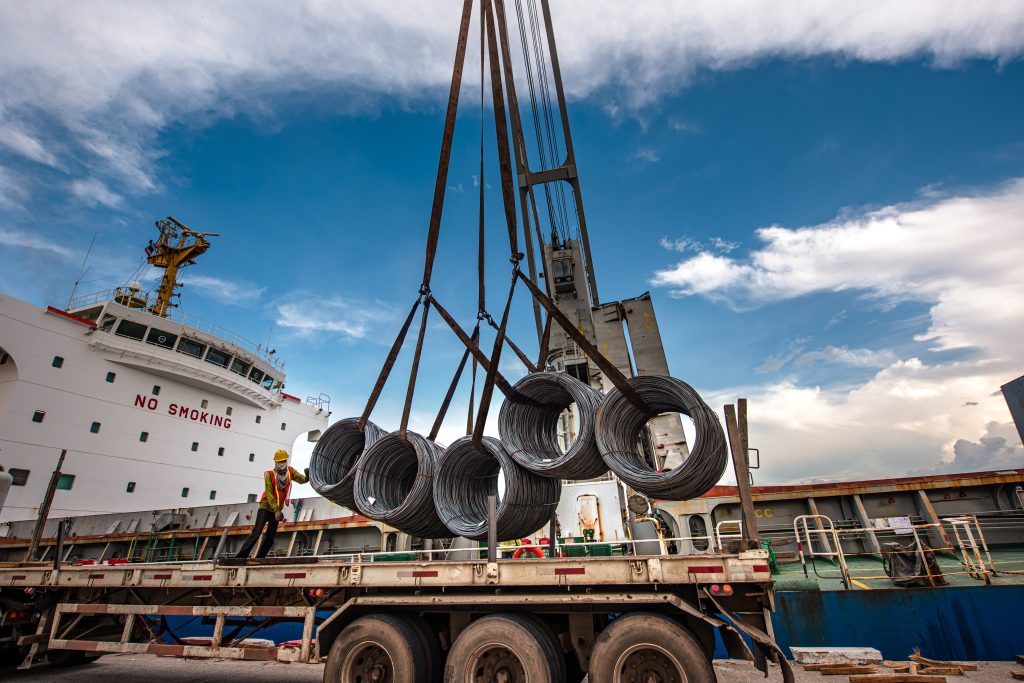
Ports and terminals operate with high volume, heavy loads, and tight time windows. Lifting containers and special materials requires precision, synchronization between teams, and strict control of exclusion zones.
In this sector, increasing the visibility of security teams during high-risk activities and accelerating the response to deviations is crucial to preventing incidents and preserving operational continuity.
Mining and heavy industry
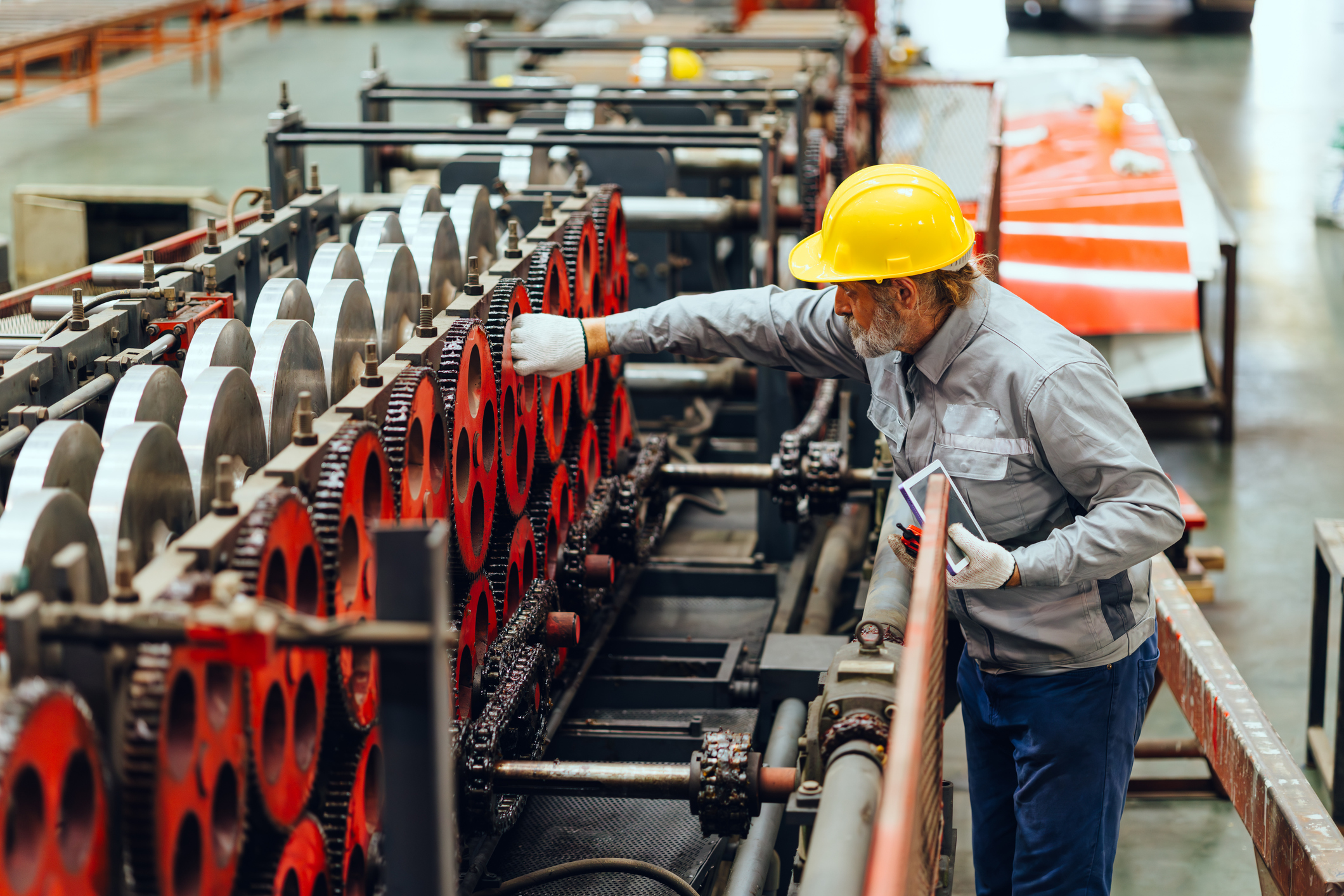
In mining operations and heavy industrial plants, robust components, maintenance parts, and metal structures are moved regularly. Many of these activities take place in harsh environments, over long distances, and across multiple operational fronts.
Managing access to and the presence of people in high-risk areas, standardizing procedures, and increasing predictability are central objectives of risk management in these environments.
Aerospace and advanced manufacturing
Aircraft manufacturers and high-precision industries handle high-value parts with complex geometries. In addition to team safety, there is a strong concern for material integrity, traceability, and process compliance.
In this sense, any deviation can generate simultaneous impacts on people, assets, and productive continuity, compromising quality standards, operational deadlines, and the reliability of execution.
Construction and infrastructure
Construction sites and infrastructure projects depend on the constant lifting of beams, structures, pipes, equipment, and heavy materials. At the same time, multiple teams work simultaneously in the same space.
This combination makes managing risk zones and coordinating work fronts essential.
Why do suspended loads require more mature risk management?
Incidents involving suspended loads tend to be highly severe. In addition to human impacts, they can cause significant material damage, operational shutdowns, and schedule delays. Therefore, the maturity in managing these risks must be proportional to the criticality of the activity.
Even when accidents don't occur, recurring deviations deserve attention. People entering restricted areas, isolation failures, improper approaches, or inconsistent use of PPE are signs of vulnerability. Ignoring these indicators reduces the company's preventive capacity.
The challenge becomes more evident when analyzing the dynamic environments in which many operations are embedded. Multiple teams, constant changes in work fronts, deadline pressure, and limitations in field visibility increase the complexity of executing activities, requiring continuous coordination and control of the risks involved in the operation.
Intelligent monitoring of suspended load
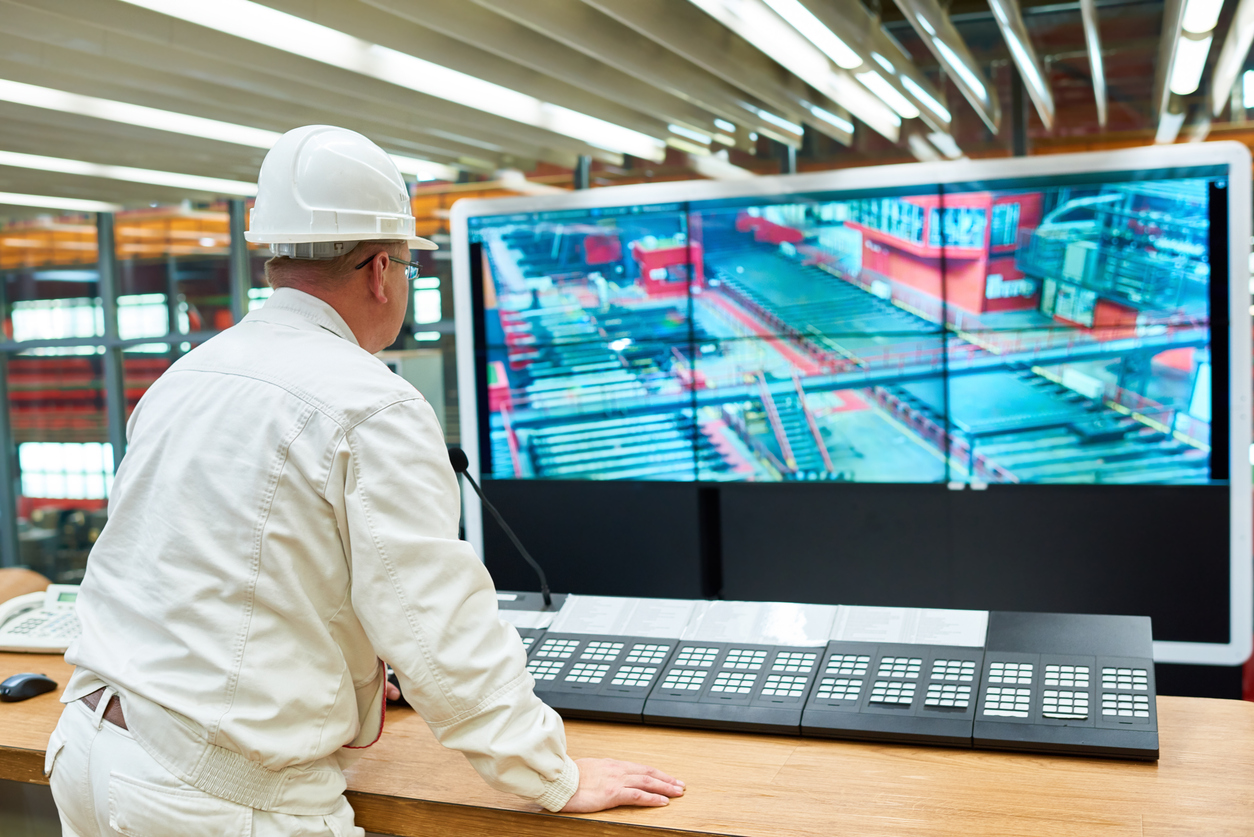
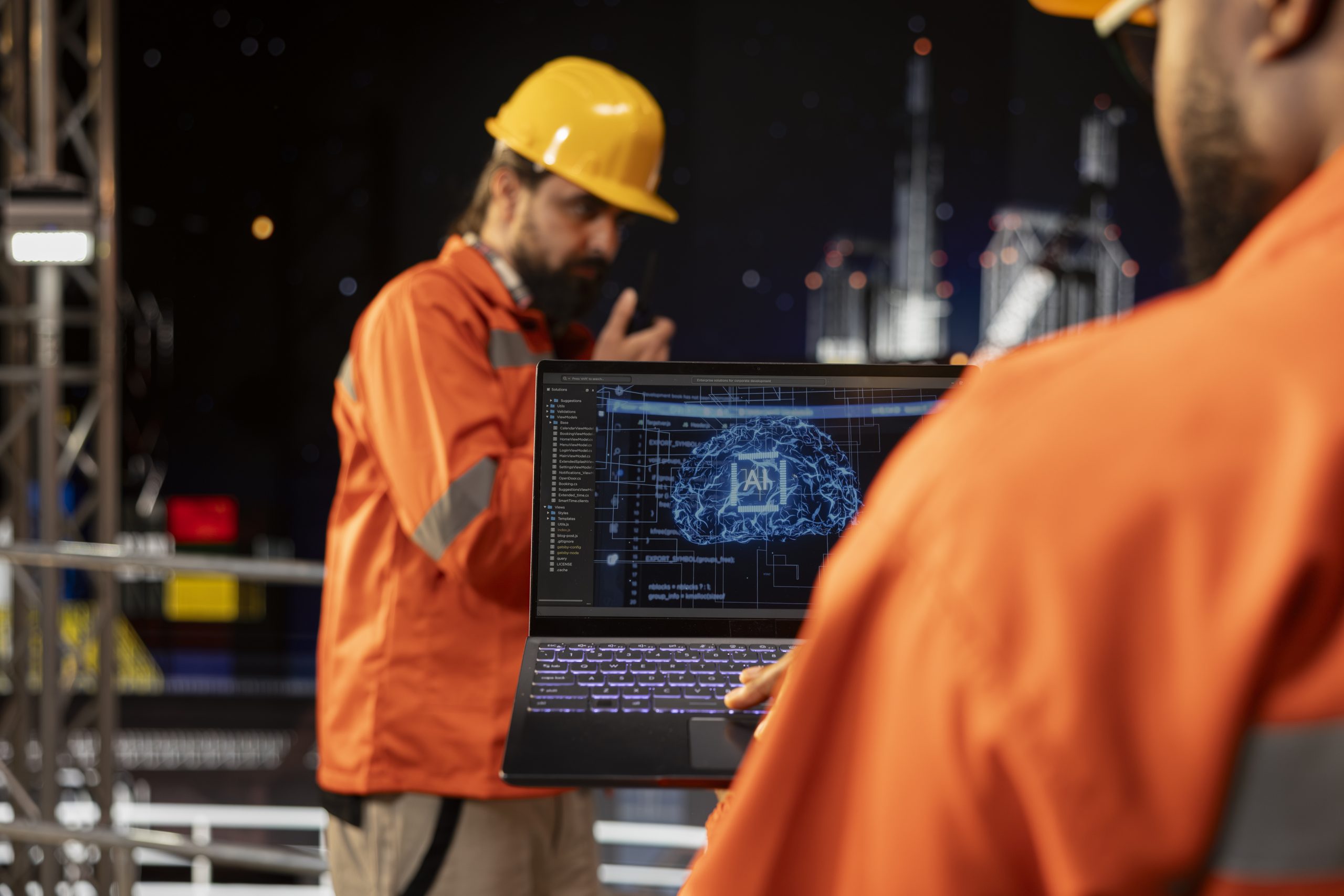
The intelligent monitoring of suspended loads uses computer vision and artificial intelligence to track operations in real time. Strategically positioned cameras capture images of the activity, while the software continuously analyzes the environment in search of pre-defined risk situations.
Dynamic risk zone demarcation is one of the solution’s core capabilities. These zones are configured around the lifting equipment and move along with it, ensuring consistent boundary definition throughout the operation. The monitoring system detects the presence of personnel within these areas and automatically triggers alerts whenever risk exposure is identified.
Data transformed into operational intelligence.
The value of technology is not limited to real-time alerts. Each monitored event generates data that can be organized and analyzed to support safer decisions, transforming occurrences into continuous learning for the operation.
Through dashboards and automated reports, managers can track the frequency of deviations, critical times, areas with higher exposure, and the recurrence of unsafe behaviors. This information contributes to safety management being evidence-based, not perception-based.
With this analytical foundation, it becomes possible to review procedures, redesign workflows, reinforce training, and prioritize investments strategically. Instead of reacting only after incidents, the company begins to act preventively, increasing operational maturity and performance.
Benefits for safety and efficiency
The benefits of an intelligent monitoring solution for overhead loads go beyond immediate prevention. They extend to operational safety, process efficiency, and value creation for the business. When properly implemented, the technology strengthens the operation as a whole.
Increased security
Reducing human exposure in critical areas is one of the main benefits. By automatically identifying risk situations, the system enhances preventative capabilities before a deviation escalates into an incident.
Furthermore, the presence of technology reinforces the safety culture. Employees begin to perceive that the environment is structured to protect people and reinforce safe behaviors in their daily lives.
Operational efficiency
Safer operations tend to experience fewer interruptions. This reduces unproductive time, rework, and the impact of deviations or incidents, contributing to smoother processes.
Predictability also increases. With historical data and continuous visibility, operational leaders can better plan resources, routines, and priorities.
Value for the business
Protecting lives and assets has a direct impact on reputation, governance, and competitiveness. Companies that manage critical risks with maturity demonstrate responsibility to clients, partners, and auditors.
There is also a reduction in legal exposure and greater adherence to HSE requirements. In the long term, structured safety translates into operational sustainability and a competitive advantage.
Conclusion
Suspended loads pose a risk across various sectors of the economy. From logistics to mining, from advanced manufacturing to civil construction, whenever heavy loads are moved, rigorous control, operational discipline, and proactive prevention are necessary.
More mature companies understand that safety in these activities depends not only on written procedures or human observation. It requires integration between people, processes, and technology, especially in dynamic environments with high productivity demands.
Intelligent monitoring enhances preventative capabilities without compromising operational pace. Investing in this evolution means protecting people, preserving assets, and strengthening business continuity. In critical operations, well-structured security also translates to real efficiency.
About ALTAVE
ALTAVE offers intelligent monitoring solutions that increase safety in critical operations, protecting people, assets, and processes. By combining cutting-edge technology with automated analysis, it is possible to identify risk situations in real time and prevent accidents before they happen.
With real-time monitoring, intuitive dashboards, and 24/7 support, ALTAVE contributes to operational safety and the protection of lives and essential resources. The company has patented technologies in Brazil and abroad, and is present in various regions of the world, serving sectors such as Defense and Security, Energy, Mining, Ports, Agribusiness, and Oil and Gas.
Recognized for its strategic relevance, ALTAVE is accredited as a Strategic Defense Company by the Brazilian Ministry of Defense and a supplier to Petrobras.
Let's have a chat?
Contact us and learn more about how our solutions can support your operation!